Grain Free Dog Food: 7 Surprising Benefits You Didn’t Know
- petperchlove
- Apr 8
- 4 min read
When it comes to choosing the right nutrition for your furry friend, the debate around grain free dog food continues to grow. Many pet owners are switching to dog grain free food in search of better digestion, improved energy levels, and overall health. But is it really worth it?
In this detailed guide, we’ll explore the real advantages of high quality grain free dog food, how it compares to traditional diets, and how to choose the best grain free dog food for your dog’s specific needs.
What Is Grain Free Dog Food?
Grain free dog food is formulated without common grains like wheat, corn, rice, or barley. Instead, it uses alternative carbohydrate sources such as sweet potatoes, lentils, or peas. These formulas are often designed to mimic a dog’s ancestral diet, focusing more on protein-rich ingredients.
Unlike standard kibble, dog grain free food typically contains higher levels of meat, fish, or poultry, making it appealing for dogs with sensitivities or specific dietary requirements.
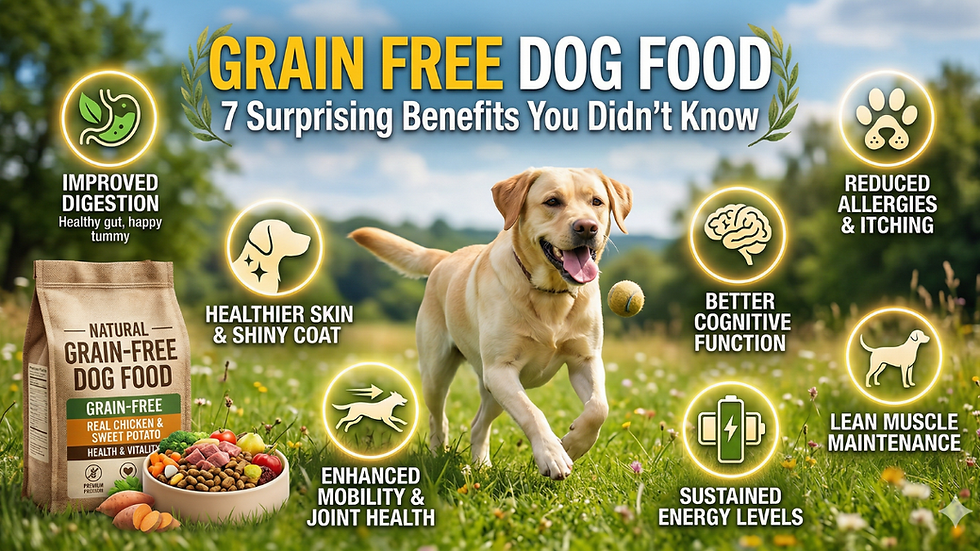
7 Surprising Benefits of Grain Free Dog Food
1. Improved Digestion
Many dogs struggle with digesting grains, which can lead to bloating, gas, or upset stomachs. Switching to grain free dog food may help improve digestion by eliminating common irritants and replacing them with easier-to-digest ingredients.
2. Reduced Allergies and Sensitivities
Food allergies in dogs are often linked to grains like wheat or corn. Choosing high quality grain free dog food can reduce itching, skin irritation, and ear infections caused by these allergens.
3. Healthier Skin and Shinier Coat
One of the most noticeable benefits of dog grain free food is improved skin and coat health. These diets are usually rich in omega fatty acids, which promote a glossy coat and reduce dryness or flakiness.
4. Higher Protein Content
The best grain free dog food options are packed with high-quality protein sources such as chicken, lamb, or fish. This supports muscle development, energy levels, and overall vitality.
5. Better Weight Management
Because grain free dog food often contains fewer fillers and more nutrient-dense ingredients, it can help dogs maintain a healthy weight. This is especially helpful for less active or overweight pets.
6. Increased Energy Levels
Dogs fed with high quality grain free dog food often show increased energy and stamina. This is because protein-rich diets provide sustained energy compared to carb-heavy grain-based foods.
7. Supports Overall Wellness
From better digestion to improved immunity, dog grain free food contributes to overall health. Many pet owners report fewer vet visits and happier, more active dogs after making the switch.
How to Choose the Best Grain Free Dog Food
Not all grain free options are created equal. To find the best grain free dog food, keep these tips in mind:
Check the Ingredient List: Look for real meat as the first ingredient
Avoid Fillers: Stay away from artificial additives and by-products
Look for Balanced Nutrition: Ensure it includes vitamins, minerals, and healthy fats
Consider Your Dog’s Age & Size: Puppies, adults, and seniors have different needs
Choose Trusted Brands: Go for brands known for high quality grain free dog food
Are There Any Risks?
While grain free dog food offers many benefits, it’s important to consult your veterinarian before making a switch. Some studies have explored a potential link between grain-free diets and heart conditions in dogs, though research is still ongoing.
The key is balance—choosing high quality grain free dog food with proper nutrients is essential for long-term health.
Grain Free vs Regular Dog Food
Feature | Grain Free Dog Food | Regular Dog Food |
Carbohydrate Source | Sweet potatoes, legumes | Wheat, corn, rice |
Protein Content | High | Moderate |
Allergy Risk | Lower | Higher |
Digestibility | Easier for some dogs | May cause issues |
Final Thoughts
Switching to grain free dog food can be a great choice for many dogs, especially those with allergies or digestive issues. With benefits like better skin, improved energy, and enhanced digestion, it’s no surprise that more pet owners are exploring dog grain free food options.
However, always prioritize quality. Choosing the best grain free dog food ensures your pet gets all the nutrients they need without unnecessary fillers. A well-balanced, high quality grain free dog food can truly make a difference in your dog’s health and happiness.
FAQs About Grain Free Dog Food
1. Is grain free dog food better for all dogs?
Not necessarily. While grain free dog food benefits many dogs, especially those with allergies, some dogs do well on grain-inclusive diets.
2. How do I know if my dog needs grain free dog food?
Signs like itching, digestive issues, or frequent ear infections may indicate your dog could benefit from dog grain free food.
3. What ingredients should I look for in the best grain free dog food?
Look for real meat, healthy fats, and natural ingredients. Avoid artificial additives when choosing the best grain free dog food.
4. Can puppies eat grain free dog food?
Yes, but ensure you select high quality grain free dog food formulated specifically for puppies to meet their growth needs.
5. Is grain free dog food expensive?
It can be slightly more expensive, but investing in high quality grain free dog food often leads to better long-term health and fewer vet bills. Read More: Grain Free Dog Food: Understanding the Benefits and Risks Read More: Vet-Approved Tips to Find the Best Grain Free Dog Food Easily



Comments