20 Cute Dog Breeds With Loving Personalities
- petperchlove
- 12 hours ago
- 10 min read

Some cute dog breeds happily greet almost everyone they meet. Others form a close bond with one person and prefer a quieter home. A loving dog may cuddle on the sofa, follow you from room to room, bring you toys, or simply rest nearby while you work.
Breed can suggest common tendencies, but it cannot guarantee temperament. Early socialization, health, training, environment, and individual experience also shape how a dog behaves. AAHA recommends considering normal breed-specific behavior, individual exercise needs, and mental engagement when choosing and caring for a dog.
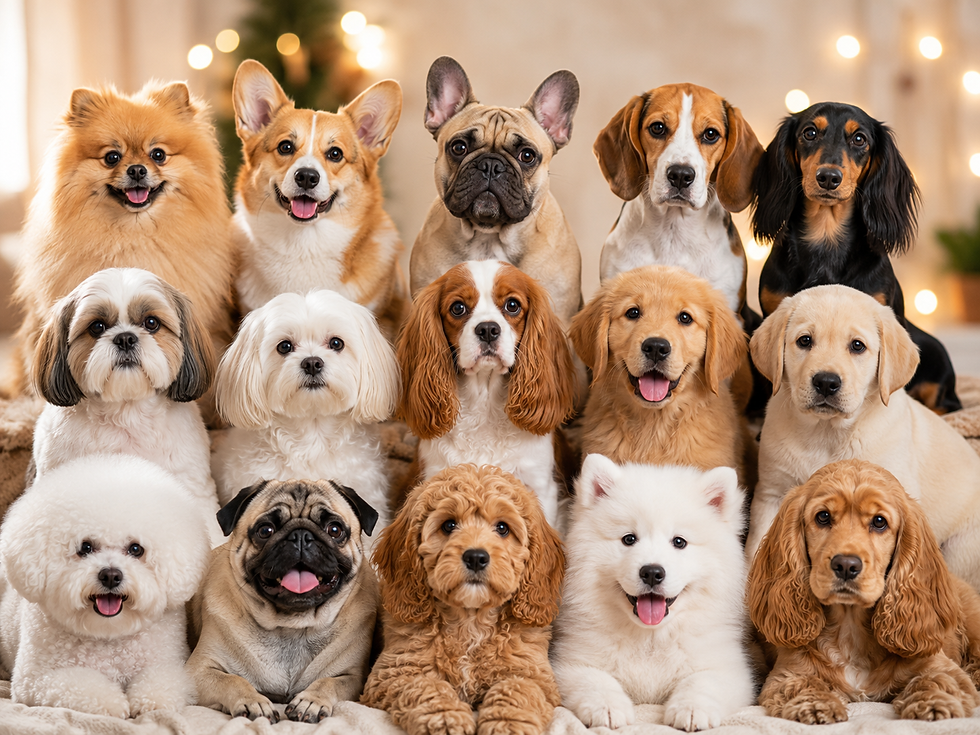
Here are 20 of the cutest dog breeds known for warm, people-focused personalities.
At a Glance
Cute dog breeds with loving personalities include the Cavalier King Charles Spaniel, Golden Retriever, Labrador Retriever, Havanese, Bichon Frise, Shih Tzu, Newfoundland, Pug, Papillon, and Pembroke Welsh Corgi. The best match depends on the dog’s activity level, adult size, grooming needs, health risks, and comfort with children or other pets.
Cute and Loving Dog Breeds Compared
Breed | Typical Size | Energy Level | Grooming Need | Best Match |
Cavalier King Charles Spaniel | Small | Moderate | Moderate | Affectionate households |
Golden Retriever | Large | High | Moderate | Active families |
Labrador Retriever | Large | High | Moderate | Outdoor and family homes |
Havanese | Small | Moderate | High | People home frequently |
Bichon Frise | Small | Moderate | High | Social households |
Shih Tzu | Small | Low to moderate | High | Companion-focused owners |
Newfoundland | Giant | Moderate | High | Spacious family homes |
Pug | Small | Low to moderate | Low | Indoor households |
Papillon | Toy | Moderate to high | Moderate | Training-focused owners |
Pembroke Welsh Corgi | Small to medium | High | Moderate | Active owners |
These descriptions reflect broad tendencies. Every dog should still be evaluated as an individual, especially when adopting an adult dog.
1. Cavalier King Charles Spaniel
The Cavalier King Charles Spaniel is one of the clearest examples of a breed developed for companionship. Its large eyes, silky ears, and gentle expression match its typically affectionate nature.
Cavaliers often enjoy sitting with family members, meeting visitors, and joining moderate outdoor activities. They can adapt to different households when they receive enough attention and exercise.
The breed is often described as gentle and adaptable, which can make it approachable for first-time owners.
Best for: Someone seeking a devoted small companion.
Consider: Brushing, separation time, and breed-related heart screening.
2. Golden Retriever
Golden Retrievers are famous for their friendly expressions and enthusiastic personalities. Many form close relationships with the entire household rather than attaching themselves to only one person.
They usually enjoy retrieving, swimming, walking, playing, and learning new skills. That loving nature comes with a real need for activity and interaction.
A bored young Golden may chew objects, jump on people, or carry household items around. Daily exercise and positive training help turn that enthusiasm into good family behavior. The breed is commonly recognized as affectionate, trainable, and family-oriented.
Best for: Active families with time for exercise.
Consider: Shedding, adult size, training, and high energy.
3. Labrador Retriever
Labrador Retrievers are playful, sociable, and often eager to stay involved in whatever their families are doing.
A Lab may follow you into the kitchen, bring you a toy, lean against your legs, and then happily join a long walk. Their combination of affection and energy makes them popular family companions.
However, Labs need more than love and food. They require exercise, training, mental stimulation, and careful portion control. Adult Labs typically weigh around 55 to 80 pounds, so early leash and greeting manners are essential.
Best for: Active households that enjoy outdoor activities.
Consider: Weight management, shedding, chewing, and strength.
4. Havanese
The Havanese is a small companion breed with a cheerful expression and a soft, flowing coat.
These dogs often want to stay near their families and participate in everyday activities. They may sit beside you while you work, follow you between rooms, or turn a short training session into a game.
That closeness can become overdependence when a dog is never taught to relax alone. Gradual independence training is important, especially for people who work outside the home.
Best for: Owners who want an involved household companion.
Consider: Grooming and alone-time training.
5. Bichon Frise
The Bichon Frise combines a fluffy white coat with a bright, social personality. Many Bichons enjoy meeting people, playing games, and staying close to family members.
Their small size can work well in apartments, but they still need walks, training, and mental activity. They are not stuffed toys, even when their rounded haircut makes them look like one.
The coat needs regular brushing and professional trimming. Owners who want a low-shedding appearance must still commit time and money to grooming.
Best for: Social homes seeking a cheerful small dog.
Consider: Coat maintenance and possible distress when left alone.
6. Shih Tzu
The Shih Tzu was developed primarily as a companion, and many members of the breed still take that role seriously.
A Shih Tzu may happily spend much of the day near its owner, alternating between short play sessions and comfortable naps. The breed often suits people who prefer moderate rather than intense exercise.
Its long coat can require daily attention. Many pet owners choose a shorter trim to make brushing easier, but professional grooming remains part of the routine. The AKC describes the Shih Tzu as a lively, friendly companion and house pet.
Best for: People seeking an affectionate indoor companion.
Consider: Grooming, eye care, dental health, and heat.
7. Newfoundland
The Newfoundland is enormous, fluffy, and known for a gentle-looking expression.
Many Newfoundlands are patient, devoted, and happiest when included in family life. They may look like giant teddy bears, but they require serious planning.
Food, medication, beds, crates, grooming, and transportation all cost more for a giant breed. They also need early training because even a friendly dog can accidentally knock someone over.
Best for: Families with space and large-dog experience.
Consider: Drooling, shedding, heat, expenses, and adult size.
8. Pug
Pugs are compact dogs with wrinkled faces, round eyes, curled tails, and comic personalities.
They often enjoy attention and may follow their owners around the house. Many are happiest when they can sit close to someone or take part in family activities.
However, their flat facial structure can affect breathing and heat tolerance. Affection should not be confused with a desire for strenuous play. Keep activity appropriate and avoid overheating. The breed is widely characterized as highly people-oriented and affectionate with familiar family members.
Best for: Indoor households seeking a humorous companion.
Consider: Breathing, skin folds, eyes, heat, and weight.
9. Papillon
The Papillon may be tiny, but it is rarely passive. Its large butterfly-shaped ears give it an adorable appearance, while its alert personality makes it an entertaining companion.
Papillons often enjoy tricks, obedience, agility, and interactive play. They can be very attached to their owners and may struggle when left alone for long periods without preparation.
Adults typically stand 8 to 11 inches tall and weigh about 5 to 10 pounds. Their small size makes careful handling important.
Best for: Owners who want a loving and trainable toy breed.
Consider: Physical fragility, barking, and mental stimulation.
10. Pembroke Welsh Corgi
Corgis look playful even when standing still. Short legs, upright ears, a foxlike face, and an expressive rear give them instant charm.
Many Corgis form strong relationships with their families and want to remain involved in daily life. However, they are herding dogs, not quiet lap dogs.
They may bark, chase movement, or try to direct people and animals. Training and structured activity help manage these instincts.
Best for: Active owners who enjoy smart, involved dogs.
Consider: Shedding, barking, herding, and exercise.
11. Maltese
The Maltese is a tiny dog with a white coat, dark eyes, and a lively expression.
Many Maltese dogs form close bonds with their owners and enjoy spending time on a lap or following them around the home. Their small size can suit apartments, but they still need walks, play, and training.
The traditional long coat needs frequent brushing. A shorter trim may simplify maintenance, though regular grooming is still necessary.
Best for: Adults or families with gentle older children.
Consider: Dental care, grooming, and delicate size.
12. Boxer
A Boxer may look serious for one moment and completely silly the next. Its expressive face and energetic body language make it easy to understand why people find the breed lovable.
Boxers often become deeply attached to their families. Many remain playful well into adulthood and want to participate in games, walks, and household activities.
They are strong, athletic dogs. Early training is necessary to control jumping, pulling, and overly excited greetings.
Best for: Active families seeking a playful companion.
Consider: Exercise, strength, training, and heat tolerance.
13. Beagle
Beagles have soft eyes, long ears, and cheerful expressions. They are social hounds that often enjoy both human and canine companionship.
A Beagle may show affection by following family members, leaning against them, or joining every available activity.
Its powerful sense of smell can also lead to selective hearing. Secure fencing and leash walking are important because an interesting scent may quickly become the dog’s highest priority.
Best for: Active households that enjoy scent games.
Consider: Howling, food seeking, roaming, and recall training.
14. Boston Terrier
The Boston Terrier has upright ears, large eyes, and markings that resemble a formal tuxedo.
Many Bostons are playful, affectionate, and adaptable. Their size can work in apartments, provided they receive daily walks and social interaction.
Like other short-faced breeds, they may struggle in heat or during intense exercise. Owners should monitor breathing and recovery carefully.
Best for: City households seeking a playful companion.
Consider: Eyes, breathing, temperature, and weight.
15. English Cocker Spaniel
The English Cocker Spaniel has long ears, expressive eyes, and a softly feathered coat.
These sporting dogs often form close bonds with their people and enjoy training, walking, retrieving, and outdoor exploration. They are loving, but they are not usually satisfied with an inactive lifestyle.
Regular brushing and ear care are necessary. Long, hanging ears may trap moisture and debris.
Best for: Active owners who want a sweet sporting dog.
Consider: Grooming, ear care, and exercise.
16. Poodle
Poodles come in Standard, Miniature, and Toy sizes, giving owners several choices within the breed.
They are intelligent, trainable, and often highly connected to their families. Poodles may enjoy obedience, scent work, retrieving, tricks, and dog sports.
Their curly coats shed differently from many breeds but require regular clipping and brushing. Less visible shedding does not mean less maintenance. Poodles are also highlighted as intelligent dogs that excel in many activities.
Best for: Owners who enjoy training and professional grooming.
Consider: Mental stimulation and coat maintenance.
17. Great Dane
The Great Dane combines an imposing body with a personality that can be gentle and deeply attached.
Many Danes want to remain close to their owners and may attempt to sit on laps despite their size. That behavior can be charming, but responsible ownership requires early training.
A Great Dane takes up significant physical and financial space. Food, medication, transportation, and veterinary procedures can all cost more.
Best for: Experienced owners with enough room and budget.
Consider: Giant size, lifespan, health, and expenses.
18. Yorkshire Terrier
The Yorkshire Terrier is small, stylish, and full of confidence.
Yorkies often bond strongly with their owners and enjoy being included in daily activities. Their alert nature can also make them vocal when they hear unfamiliar noises.
The silky coat may be kept long or trimmed short. Both styles require regular brushing and grooming.
Best for: People who want a tiny but spirited companion.
Consider: Barking, dental health, grooming, and fragile bones.
19. Bernese Mountain Dog
Bernese Mountain Dogs have thick tricolored coats, broad faces, and gentle expressions.
They are often strongly attached to family members and may prefer staying close rather than spending long periods alone in a yard. Their calm-looking appearance should not hide the fact that they are large working dogs.
They need training, grooming, exercise, cool resting areas, and careful health research.
Best for: Families with space for a large, devoted dog.
Consider: Shedding, heat, health risks, and shorter lifespan.
20. French Bulldog
The French Bulldog has upright bat ears, forehead wrinkles, and a compact body.
Many Frenchies enjoy human attention and adapt well to indoor lifestyles. They may entertain their families with playful expressions and then settle nearby for a nap.
Their popularity does not erase their health concerns. Shortened airways can affect breathing, sleep, exercise, and temperature control. Choose breeders or rescues carefully and discuss health needs with a veterinarian.
Best for: Attentive indoor households.
Consider: Breathing, spinal health, skin folds, heat, and medical costs.
How Do Loving Dogs Show Affection?
Not every dog expresses affection through cuddling.
A loving dog may:
Follow you from room to room
Rest near your feet
Bring you a favorite toy
Lean gently against you
Seek eye contact
Greet you with loose body language
Check where you are during walks
Relax deeply when you are nearby
Ask you to play
Sleep close to you
A dog that does not enjoy being hugged may still be deeply bonded to its owner. Respecting physical boundaries can strengthen trust more than forcing close contact.
Choose Personality Over Appearance
Before bringing home one of these cute dog breeds, consider what you can realistically provide.
Ask yourself:
How long will the dog be alone?
How much exercise can I provide?
Can I afford regular grooming?
Is the adult size manageable?
Do I want a quiet or highly social dog?
Can I handle barking, shedding, or drooling?
Are there children or other pets in the home?
Real-world example
A retired person may love the affectionate nature of a Labrador but struggle to meet the exercise needs of a young adult Lab. A Cavalier, Shih Tzu, or calm adult rescue dog might offer similar companionship in a more manageable size.
Meanwhile, a family that hikes, swims, and spends weekends outdoors may find a Labrador or Golden Retriever easier to live with than a delicate toy breed.
Expert tip: Ask how the dog recovers from stress
Friendliness during a brief meeting does not tell the whole story.
Watch what happens after the dog hears a sudden noise, meets a stranger, or enters an unfamiliar area. A dog that can calm down and reconnect with its handler may be easier to live with than one that remains distressed or overstimulated.
Behavior assessments build a fuller picture by observing reactions to specific situations rather than relying on a single first impression.
When adopting, ask the shelter or foster family how the dog behaves at home, around visitors, during handling, and when left alone. Reputable organizations should help match a dog’s behavior and needs with the right household.
Frequently Asked Questions
What is the most loving cute dog breed?
The Cavalier King Charles Spaniel is often considered one of the most affectionate breeds because it was developed as a companion and generally enjoys close contact with familiar people. Golden Retrievers, Labradors, Havanese, and Bichons are also known for people-focused behavior.
Which affectionate breed is good for families?
Golden Retrievers, Labrador Retrievers, Beagles, Boxers, and some Cavaliers can fit family homes. However, adults should always supervise interactions between dogs and young children, regardless of breed.
What small dog is affectionate and easy to train?
Papillons, Miniature Poodles, Cavaliers, and Havanese can be affectionate and responsive to positive training. Their grooming, barking, exercise, and health needs still differ.
Can an affectionate dog stay home alone?
Any dog can learn to spend reasonable periods alone, but some companion breeds find it more difficult. Build alone time gradually and provide exercise, rest, enrichment, and a safe environment.
Are mixed-breed dogs loving too?
Yes. Affection is not limited to purebred dogs. Adult mixed-breed dogs can be especially helpful for owners who want to assess an established personality before adoption.


Comments