Can Too Many Bird Vitamins Harm Your Bird? Vet-Backed Facts
- petperchlove
- Feb 9
- 3 min read
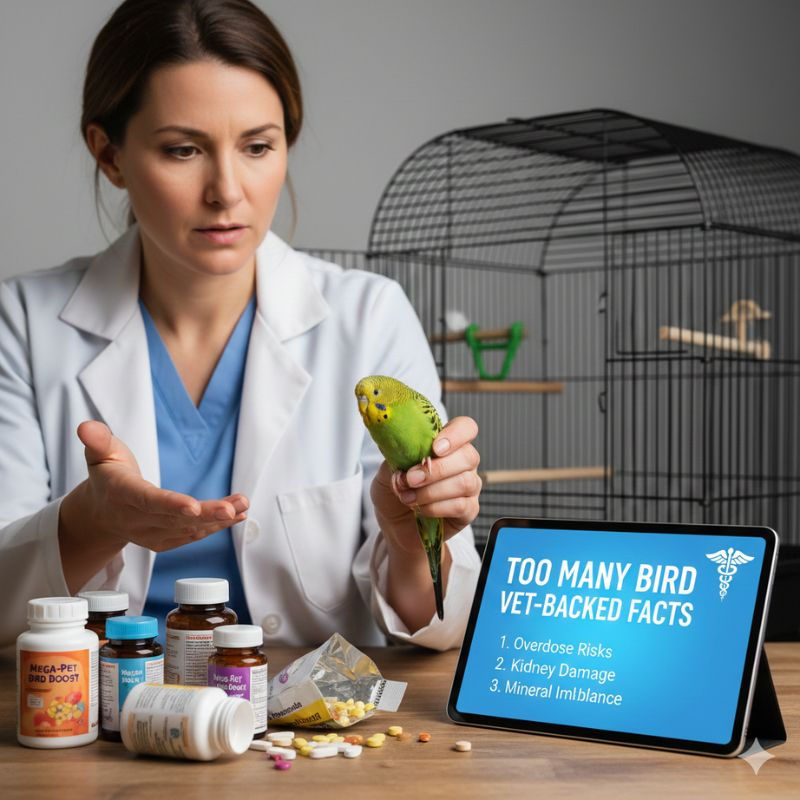
Key Takeaways
Over-supplementation of bird vitamins can be just as dangerous as deficiencies.
Fat-soluble vitamins for birds (A, D, E, K) pose the highest risk when overused.
The best bird vitamins are only effective when tailored to diet, species, and health status.
Not all birds need daily bird supplements, especially those on balanced diets.
Veterinary guidance is essential for safe and effective vitamin use.
Bird owners often give vitamins with the best intentions—stronger immunity, brighter feathers, and better energy. However, too much of a good thing can quickly turn harmful. Just like improper medication, excess bird vitamins can lead to serious health problems if used incorrectly.
In this vet-backed guide, we’ll explain how vitamin overdoses happen, which vitamins for birds are most risky, and how to safely use bird supplements without putting your pet at risk.
Why Bird Vitamin Overuse Happens
Many bird owners assume vitamins are always beneficial. In reality, most pet birds already receive adequate nutrients from a balanced diet.
Common Reasons for Overuse
Using multiple bird supplements at the same time
Adding vitamins to already fortified pellets
Daily dosing without veterinary advice
Using human or generic animal supplements
Understanding your bird’s actual nutritional needs is the foundation of safe care.
Which Bird Vitamins Can Be Harmful in Excess?
Fat-Soluble Vitamins (Highest Risk)
These vitamins are stored in the body and can build up to toxic levels.
Vitamin A – Can cause liver damage and skin problems
Vitamin D3 – May lead to calcium imbalance and kidney failure
Vitamin E – Excess may interfere with nutrient absorption
Vitamin K – Overuse can affect blood clotting
Because these vitamins accumulate, improper use of vitamins for birds is especially dangerous.
Water-Soluble Vitamins (Lower Risk, Not Risk-Free)
B-complex vitamins
Vitamin C
While excess is usually excreted, chronic overuse can still stress the liver and kidneys.
Symptoms of Vitamin Overdose in Birds
Watch closely for signs that your bird may be receiving too many bird vitamins:
Lethargy or weakness
Loss of appetite
Abnormal droppings
Feather and skin issues
Swelling or unusual growths
If any of these appear, stop supplements and consult an avian vet immediately.
Do All Birds Need Bird Supplements?
The answer is no—not always.
Birds That Often Do NOT Need Supplements
Birds eating high-quality pellets
Birds on a vet-approved balanced diet
Birds That MAY Need Supplements
Birds on seed-heavy diets
Breeding or molting birds
Rescued or malnourished birds
Birds recovering from illness
Even then, supplementation should be targeted and temporary—not automatic.
How to Choose the Best Bird Vitamins Safely
When supplements are necessary, selection matters.
What to Look For
Species-specific formulas
Clear dosage instructions
Vet-approved or recommended brands
Minimal overlap with existing diet
The best bird vitamins support health without duplicating nutrients your bird already receives.
Safe Supplementation Best Practices
Never combine multiple bird supplements unless advised
Avoid adding vitamins to drinking water unless instructed
Follow dosage instructions exactly
Reassess needs during diet changes
Responsible use is a key part of long-term bird health.
Vet-Backed Advice: Food First, Supplements Second
Most avian veterinarians agree: nutrition should come from food first. Fresh vegetables, formulated pellets, and proper variety often eliminate the need for daily vitamins for birds.
Supplements should correct deficiencies—not replace a poor diet.
Final Thoughts
Yes—too many bird vitamins can absolutely harm your bird. Over-supplementation can lead to toxicity, organ damage, and long-term health complications. While bird supplements can be beneficial in specific situations, they should never be given blindly.
The safest approach is always vet-guided care. When used correctly, the best bird vitamins can support recovery and health—but when misused, they can do serious harm.
Frequently Asked Questions (FAQs)
1. Can I give bird vitamins every day?
Only if prescribed by a vet. Daily use without guidance increases overdose risk.
2. Are bird supplements safe for all bird species?
No. Different species have different nutritional needs. Always use species-specific vitamins for birds.
3. What’s safer—powder or liquid bird vitamins?
Neither is safer by default. Correct dosage matters more than form.
4. Can vitamins replace a poor diet?
No. Bird supplements should never replace proper nutrition.
5. How do I know if my bird needs vitamins?
Only an avian vet can accurately determine deficiencies through examination and history. Read More: When Does Your Bird Really Need Medication? Warning Signs You Shouldn’t Ignore



Comments